

Struggling With Low Team Performance? Start With Employee Wellbeing
Jul 03, 2026If you are leading a team right now, you may already feel the pressure.
Productivity is slipping. Meetings feel flat. Employees seem tired even at the start of the day. Communication is becoming harder, and morale is not where it used to be. You may be working harder than ever to support your team while also trying to hit business targets, keep customers happy, and manage daily operations.
Many business owners, managers, HR professionals, and executives are asking the same question: Why is team performance dropping even when we have good people and good systems?
The answer is often closer than you think.
Struggling With Low Team Performance? Start With Employee Wellbeing is not just a catchy headline. It is a practical business strategy. When employees feel stressed, exhausted, physically uncomfortable, or emotionally disconnected, performance naturally declines. Focus becomes harder. Communication suffers. Engagement drops. Turnover increases.
The encouraging news is that these challenges can be improved. Organizations that invest in employee wellbeing often see stronger teamwork, better productivity, healthier workplace culture, and more consistent performance.
Understanding Struggling With Low Team Performance? Start With Employee Wellbeing can help leaders address the real causes behind declining results instead of only treating the symptoms.
Why Employee Wellbeing Is the Foundation of Team Performance
It is easy to focus on systems, software, and processes when performance declines. Those tools matter, but they cannot replace human energy.
Employees who feel overwhelmed often struggle to:
-
Stay focused during meetings
-
Communicate clearly with teammates
-
Manage deadlines effectively
-
Think creatively
-
Maintain a positive attitude
-
Recover from daily stress
According to the World Health Organization, workplace stress can affect both mental and physical health, reducing productivity and increasing absenteeism.
Many leaders notice the outcome before they recognize the cause. They see missed deadlines, lower engagement, and communication problems. What they may not see is the mental and physical fatigue building underneath those issues.
This is why Struggling With Low Team Performance? Start With Employee Wellbeing is becoming such an important conversation in modern workplaces. When employees feel supported, they are more likely to stay engaged, communicate effectively, and contribute at a higher level.
The Hidden Signs Your Team Is Running on Empty
Low performance rarely appears overnight. It usually develops gradually through small warning signs that are easy to overlook.
Meetings feel less productive
Employees attend meetings, but participation is limited. People seem distracted, cameras stay off, and discussions lack energy.
Simple tasks take longer
Work that used to move quickly now requires repeated follow-ups, reminders, and corrections.
Communication becomes reactive
Team members respond to problems instead of preventing them. Misunderstandings increase, and collaboration becomes more difficult.
Absences begin to rise
Employees may take more sick days or need additional time away from work due to stress, fatigue, or physical discomfort.
Morale feels fragile
Small challenges create larger emotional reactions, and team confidence begins to decline.
These are often signs that employees need support, not criticism.
Business leaders frequently tell me they feel caught in the middle. They want results, but they also genuinely care about their people. Recognizing these early warning signs is one of the most important steps toward rebuilding performance.
Stress Is Quietly Reducing Productivity
One of the biggest reasons organizations are Struggling With Low Team Performance? Start with employee wellbeing because stress drains mental energy.
When employees operate in constant pressure mode, the brain becomes focused on managing stress rather than performing at its best. This can lead to:
-
Reduced concentration
-
Slower decision-making
-
More mistakes
-
Lower creativity
-
Increased irritability
-
Emotional exhaustion
Many workplaces unintentionally create a “go, go, go” culture where employees rarely have time to reset.
This is where practical wellness programs can make a real difference. The Stress Management Solutions workshops offered through McDonald Method help employees understand how stress affects the body and mind while teaching simple strategies they can use during the workday.
These are not theoretical lectures. They are practical tools that help people feel calmer, think more clearly, and recover energy throughout the day.
When stress becomes manageable, productivity often improves naturally.
Physical Wellbeing Affects Mental Performance
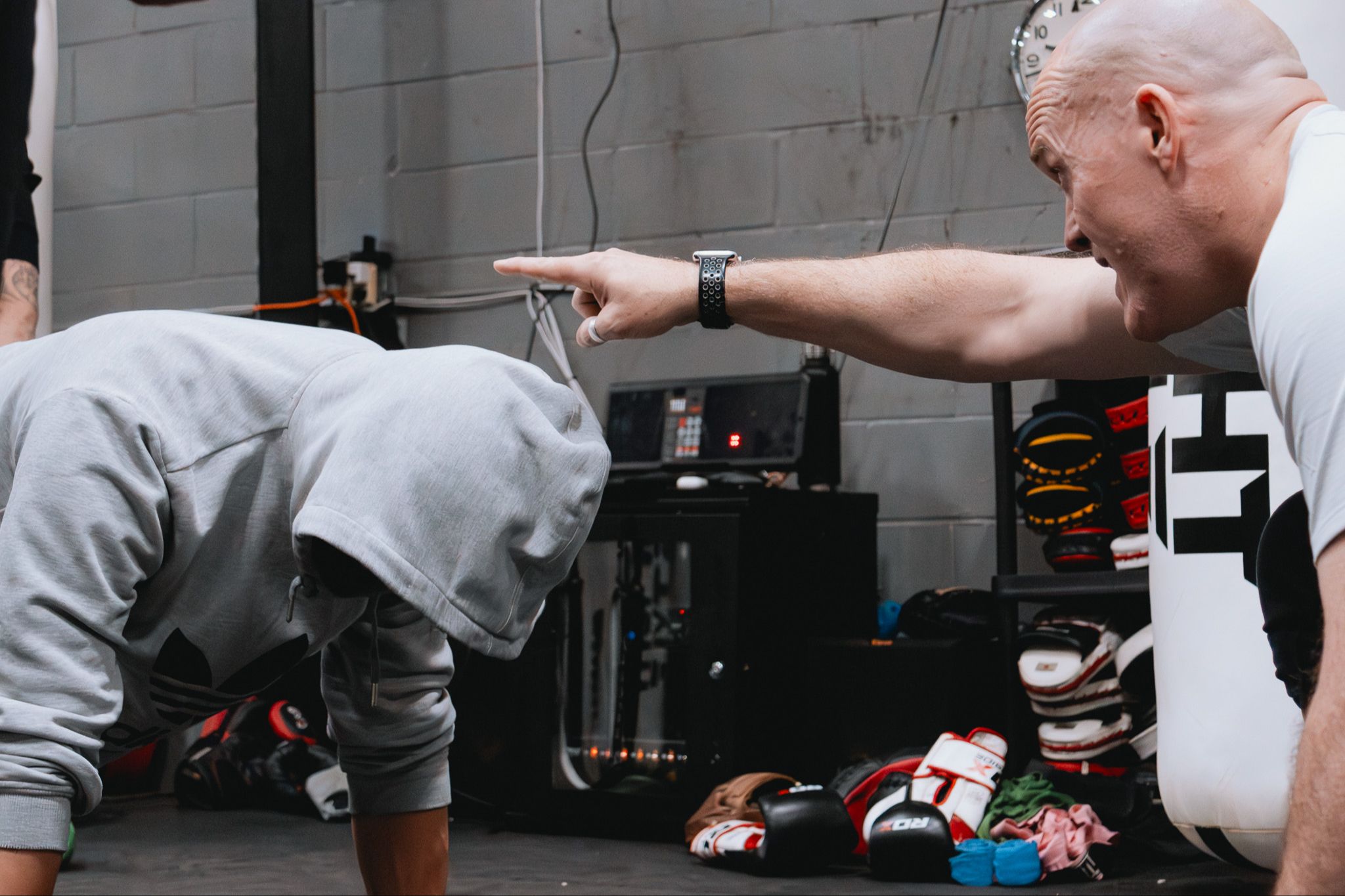
Many organizations underestimate the connection between physical comfort and workplace performance.
Employees who spend long hours sitting often experience:
-
Back discomfort
-
Hip stiffness
-
Neck tension
-
Reduced energy
-
Difficulty concentrating
When the body feels uncomfortable, focus becomes harder to maintain. Employees may spend part of their mental energy managing physical discomfort instead of fully engaging with their work.
The McDonald Method addresses this through workshops such as Hip Hip Hooray, which improves hip mobility and movement, and Back To Basics, which helps employees understand posture, sitting habits, and back pain prevention strategies.
These sessions give teams practical ways to feel better during the workday, which often leads to better focus, higher energy, and improved performance.
Businesses looking for broader support can also explore the McDonald Method Workplace Wellness program, which combines movement, stress management, communication, and wellbeing strategies into practical workplace solutions.
Communication Can Make or Break Team Performance
Even the most talented employees cannot perform at their best if communication is unclear.
When workplace communication begins to break down, it creates a ripple effect across the entire organization. Instructions become confusing, projects slow down, misunderstandings increase, and frustration grows.
Many leaders assume communication problems are simply part of a busy workplace. In reality, they often develop because employees are mentally tired, distracted, or under pressure.
Healthy communication is about more than sharing information. It is about creating trust, encouraging collaboration, and helping employees feel comfortable asking questions and sharing ideas.
This is why the McDonald Method offers Comms Check, a workplace communication workshop designed to help teams strengthen listening skills, improve workplace conversations, and build stronger working relationships.
When communication improves, teams spend less time solving misunderstandings and more time working toward shared goals. Better communication also creates a more positive workplace culture where employees feel heard and valued.
Better Breathing Can Improve Focus and Energy
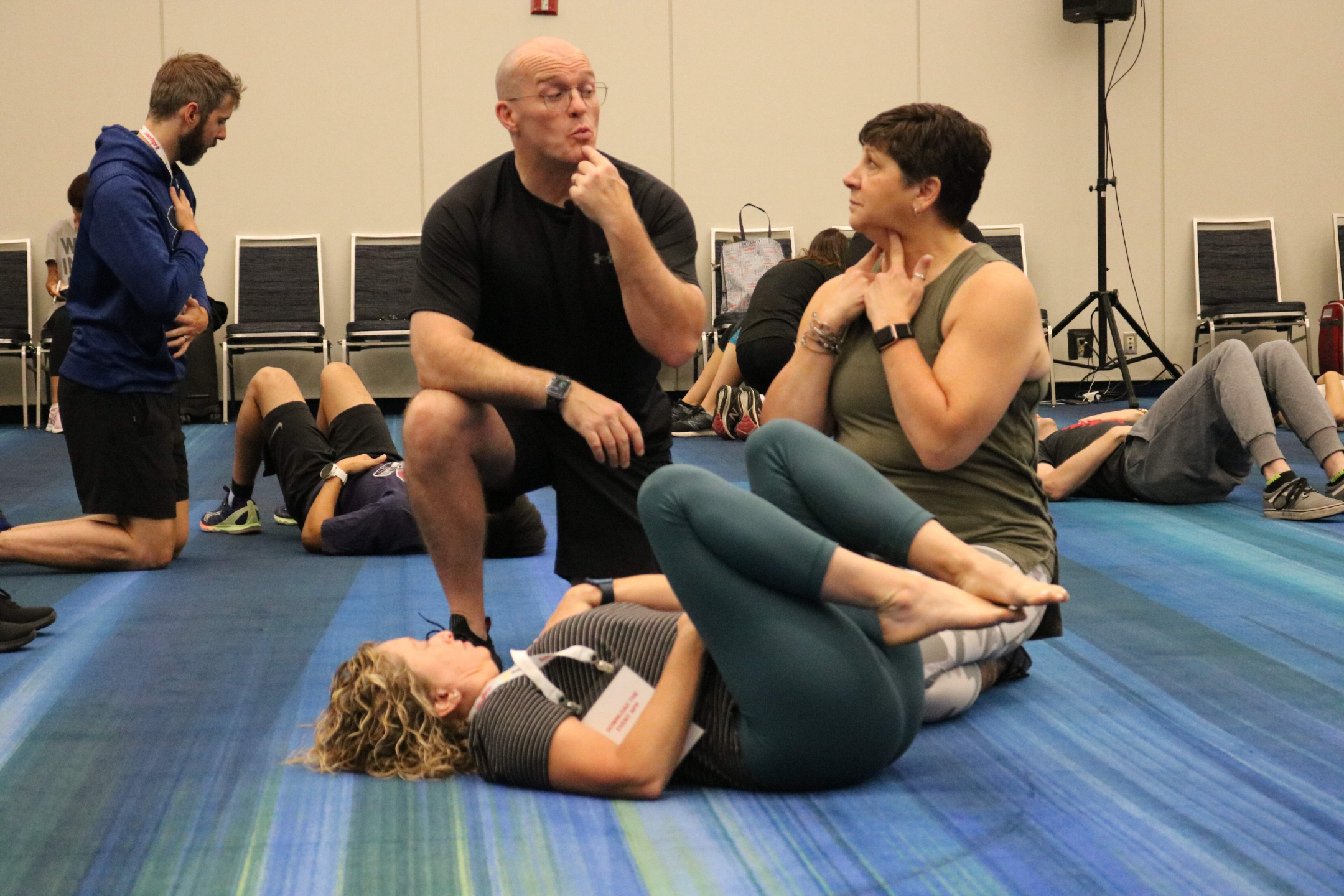
Breathing is something every employee does thousands of times each day, yet very few people think about how it affects their performance.
When people are stressed, breathing often becomes shallow and fast. This can increase tension, reduce concentration, and leave employees feeling mentally drained.
Simple breathing techniques can help calm the nervous system, improve mental clarity, and restore energy during busy workdays.
The McDonald Method's A Breath of Fresh Air workshop teaches employees practical breathing strategies that are easy to use before presentations, during stressful meetings, or whenever they need to regain focus.
These techniques do not require special equipment or significant time. They are simple habits that employees can apply immediately, making them one of the easiest ways to support workplace wellbeing.
Presentation Skills Build Confidence and Engagement
Every workplace depends on communication, whether employees are leading meetings, speaking with clients, or sharing ideas with colleagues.
Unfortunately, many employees feel nervous when speaking in front of others. This lack of confidence can limit collaboration and reduce engagement during meetings.
The Inspire, Do Not Expire presentation skills workshop helps employees communicate with greater confidence, energy, and clarity.
Better presentation skills benefit the entire organization. Meetings become more engaging, ideas are shared more effectively, and employees develop greater confidence in their abilities.
When employees feel confident communicating, they are more likely to participate, contribute, and support the success of the team.
Workplace Wellness Is a Smart Business Investment
Many organizations still see workplace wellness as an optional benefit.
However, the most successful businesses understand that healthy employees are productive employees.
Investing in employee wellbeing is not simply about reducing stress. It is about creating an environment where people have the energy, focus, and confidence to do their best work every day.
A practical workplace wellness program can help organizations:
- Improve employee focus
- Reduce workplace stress
- Increase productivity
- Strengthen communication
- Improve employee morale
- Reduce health-related absences
- Build a stronger workplace culture
- Support employee retention
The McDonald Method offers customized workplace wellness seminars that can be tailored to meet the specific needs of each organization.
Whether your team is struggling with stress, communication, low energy, physical discomfort, or declining engagement, there is no one-size-fits-all solution.
That is why customized workshops can be such a valuable investment.
Businesses that want to improve employee wellbeing and workplace performance can learn more through the Workplace Wellness program.
These practical workshops give employees tools they can use immediately, creating meaningful improvements for both individuals and the organization as a whole.
Small Changes Create Lasting Results
Improving workplace performance does not always require major organizational changes.
Often, the biggest improvements come from helping employees feel healthier, more energized, and better equipped to manage everyday challenges.
Simple habits such as moving more throughout the day, improving breathing, managing stress effectively, communicating with confidence, and understanding proper posture can create meaningful long-term benefits.
When leaders invest in employee wellbeing, they send a clear message that their people matter.
Employees notice that commitment.
They become more engaged, more motivated, and more willing to contribute to the success of the business.
Over time, these improvements strengthen workplace culture and help organizations achieve sustainable growth.
Conclusion
If you are Struggling With Low Team Performance? Start With Employee Wellbeing.
Many performance challenges that businesses face today are not caused by a lack of talent or commitment. More often, they are the result of stress, fatigue, poor communication, physical discomfort, and declining employee wellbeing.
Business owners, managers, HR professionals, and executives carry enormous responsibility. Balancing business growth with employee wellbeing is not always easy.
However, organizations that invest in their people often see meaningful improvements in productivity, morale, communication, and workplace culture.
The McDonald Method helps organizations create healthier and more engaged teams through practical workplace wellness solutions, including Stress Management Solutions workshops, breathing workshops, workplace communication workshops, presentation skills workshops, hip mobility workshops, back pain prevention workshops, and customized workplace wellness seminars.
When employees feel better, they perform better.
Supporting employee wellbeing is not simply an investment in your people. It is an investment in the future success of your business.
Frequently Asked Questions
Why does employee wellbeing affect team performance?
Employee wellbeing influences focus, energy, communication, stress levels, and engagement. When employees feel healthier and more supported, they are more likely to perform at their best.
What are the signs that my team needs workplace wellness support?
Common signs include declining productivity, low morale, poor communication, increased absenteeism, higher stress levels, and reduced engagement during meetings.
How can workplace wellness programs improve productivity?
Workplace wellness programs help employees manage stress, improve physical wellbeing, strengthen communication, increase focus, and build healthier work habits that support better performance.
What workplace wellness services does McDonald Method offer?
McDonald Method provides Stress Management Solutions workshops, breathing workshops, workplace communication workshops, presentation skills workshops, hip mobility workshops, back pain prevention workshops, and customized workplace wellness seminars designed to meet the needs of different organizations.
Are workplace wellness seminars suitable for small businesses?
Yes. Businesses of every size can benefit from practical workplace wellness programs that help employees stay healthy, engaged, and productive.
Contact Now!
Don't miss a beat!
New moves, motivation, and classes delivered to your inbox.
We hate SPAM. We will never sell your information, for any reason.
