

Why Workplace Energy Is Dropping And It Is Not About Motivation
Jun 21, 2026Many business owners, managers, and team leaders are asking the same question today: Why does the workplace feel different than it did a few years ago?
Employees seem more tired. Meetings feel less engaging. Productivity is harder to maintain. Team morale can fluctuate from week to week, even when workloads have not dramatically changed.
When workplace energy begins to decline, it is easy to assume that employees simply lack motivation. However, in most cases, motivation is not the real issue.
The truth is that workplace energy is influenced by many factors that go far beyond enthusiasm or work ethic. Stress, mental fatigue, physical discomfort, poor communication, and constant pressure can slowly drain employees of the energy they need to perform at their best.
Understanding Why Workplace Energy Is Dropping is one of the most important steps businesses can take to improve employee wellbeing, strengthen workplace culture, and support long term growth.
For leaders who genuinely care about their people, this challenge can feel overwhelming. You want your team to thrive, remain productive, and enjoy coming to work. At the same time, you must meet business goals, satisfy clients, and keep operations running smoothly.
The good news is that there are practical solutions that can help.
Why Workplace Energy Is Dropping Across Modern Organizations
The modern workplace has changed dramatically.
Technology has made communication faster than ever before. Employees can access information instantly and collaborate across locations. While these advancements have created many benefits, they have also introduced new pressures.
Many employees experience:
- Constant notifications and interruptions
- Back to back meetings
- Increased workloads
- Tight deadlines
- Reduced opportunities for recovery during the workday
Over time, these factors create mental fatigue.
According to the World Health Organization, workplace stress can negatively impact physical and mental health, productivity, and overall workplace performance.
When employees operate under continuous pressure, their energy reserves become depleted. They may still show up to work each day, but they are often functioning far below their full potential.
This is one of the primary reasons Why Workplace Energy Is Dropping in organizations of all sizes.
Stress Is Quietly Draining Employee Energy
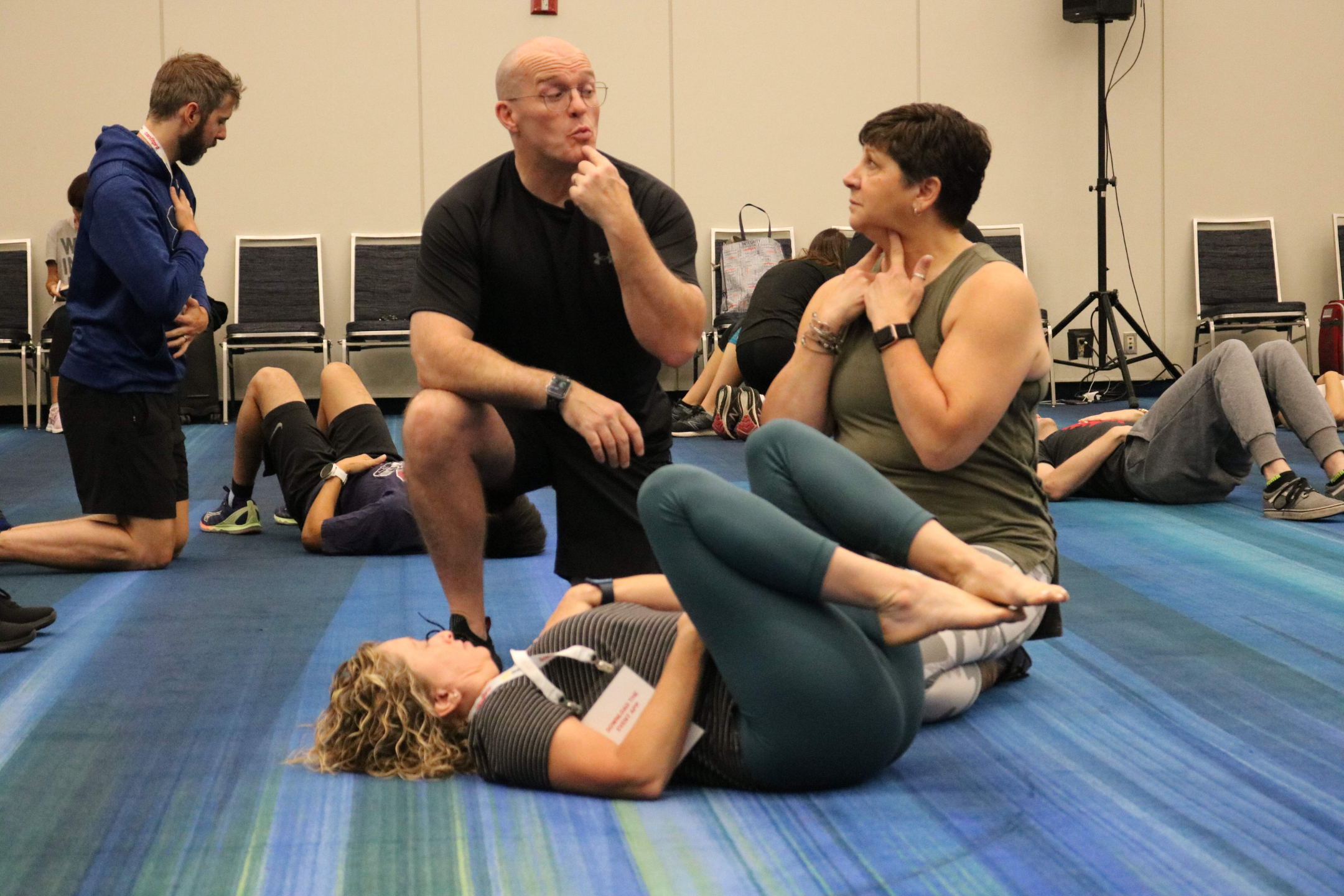
One of the biggest contributors to declining workplace energy is unmanaged stress.
Stress is not always visible. Employees may continue completing tasks and attending meetings while silently struggling with mental overload.
Over time, stress can lead to:
- Difficulty concentrating
- Increased irritability
- Reduced creativity
- Poor decision making
- Lower productivity
- Emotional exhaustion
For employers, the effects are often seen through missed deadlines, communication challenges, disengagement, and rising absenteeism.
Many leaders focus on fixing performance issues without addressing the underlying cause. Yet in many cases, the real problem is not capability. It is stress.
This is why workplace wellness programs that focus on practical stress management have become increasingly valuable.
The Stress Management Solutions workshops offered through McDonald Method help employees better understand how stress affects the body and mind while providing simple strategies they can use throughout the workday.
Rather than adding more tasks to an employee's schedule, these workshops help people regain control of their energy and focus.
Physical Health Plays a Bigger Role Than Many Businesses Realize
Another reason Why Workplace Energy Is Dropping is the physical impact of modern work environments.
Many employees spend long hours sitting at desks, attending virtual meetings, and working on computers.
While this may seem harmless, prolonged sitting can contribute to:
- Muscle stiffness
- Reduced circulation
- Back discomfort
- Hip tightness
- Fatigue
- Lower energy levels
When employees feel physically uncomfortable, it becomes much harder to remain focused and productive.
Many workers simply accept these issues as part of their job. However, small physical problems often grow into larger challenges over time.
The McDonald Method addresses these concerns through practical workplace wellness seminars such as:
- Hip mobility workshops
- Back pain prevention workshops
These sessions provide employees with simple strategies they can use during the workday to improve movement, reduce discomfort, and maintain higher energy levels.
Even small improvements in physical wellbeing can have a meaningful impact on workplace performance.
Poor Breathing Habits Can Affect Focus and Productivity
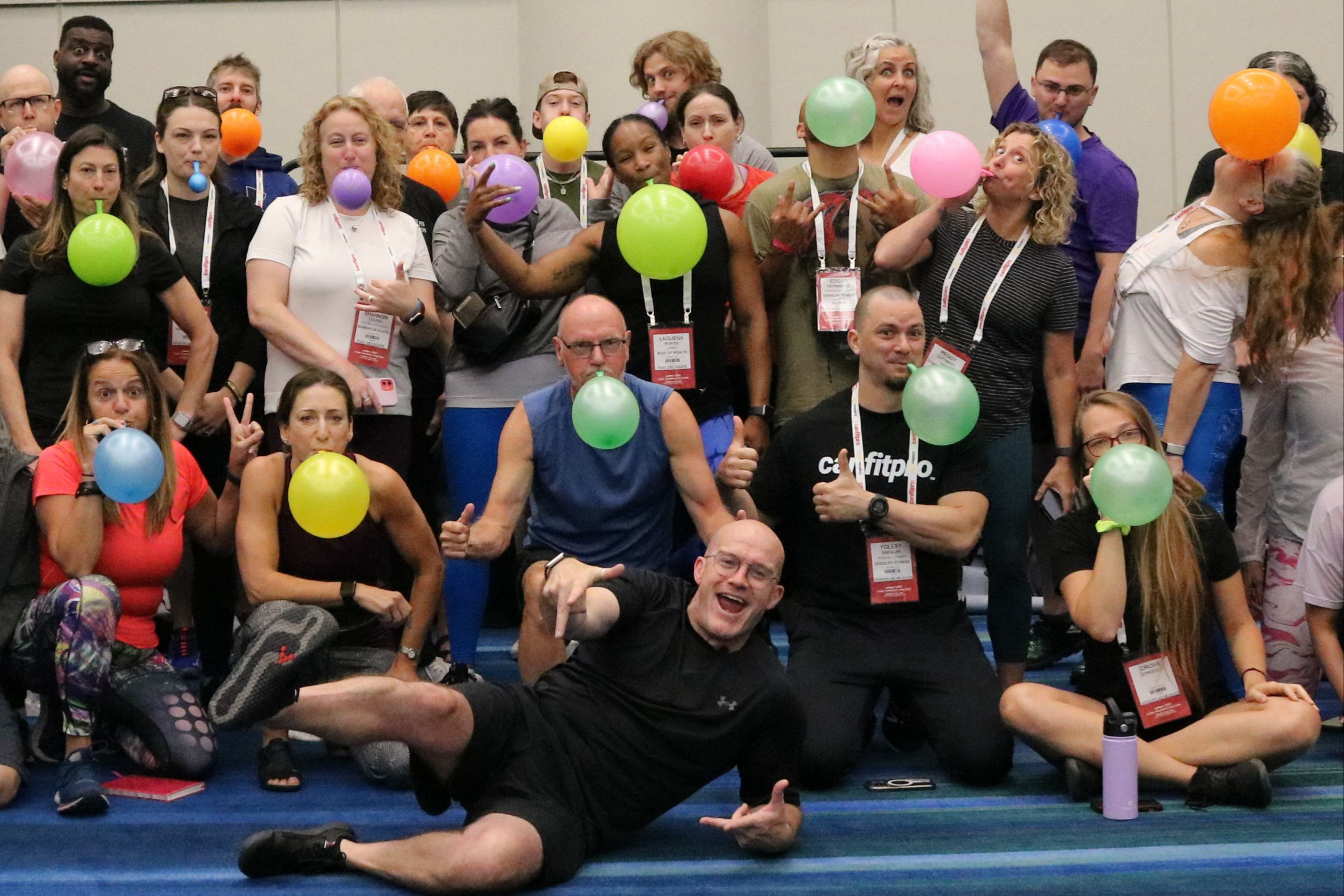
Breathing is something people do automatically, yet very few employees understand how breathing patterns influence stress, focus, and energy.
When people feel overwhelmed, stressed, or anxious, they often develop shallow breathing habits.
This can contribute to:
- Increased tension
- Reduced concentration
- Mental fatigue
- Poor stress management
- Lower energy throughout the day
Many employees are unaware that their breathing patterns may be making workplace challenges feel even harder.
The McDonald Method's breathing workshops help employees develop practical breathing techniques that support:
- Better focus
- Improved stress management
- Enhanced energy levels
- Greater emotional regulation
These workshops are simple, engaging, and easy for employees to apply immediately.
For organizations seeking practical workplace wellness solutions, breathing education can deliver surprisingly powerful results.
Businesses interested in improving employee wellbeing can learn more through the Workplace Wellness programs available at Mcdonald Method.
Communication Challenges Can Drain Workplace Energy
Energy is not only physical and mental. It is also deeply connected to workplace relationships.
When communication breaks down, employees often experience frustration, confusion, and stress.
Poor communication can lead to:
- Misunderstandings
- Repeated mistakes
- Workplace tension
- Reduced collaboration
- Lower morale
Many organizations focus heavily on technical skills while overlooking communication skills.
Yet communication often determines whether teams work together effectively or struggle unnecessarily.
The McDonald Method's workplace communication workshops help employees improve listening skills, strengthen workplace relationships, and communicate with greater confidence.
When communication improves, workplace energy often improves as well.
Employees spend less time resolving misunderstandings and more time working toward shared goals.
Employee Engagement Is About More Than Motivation
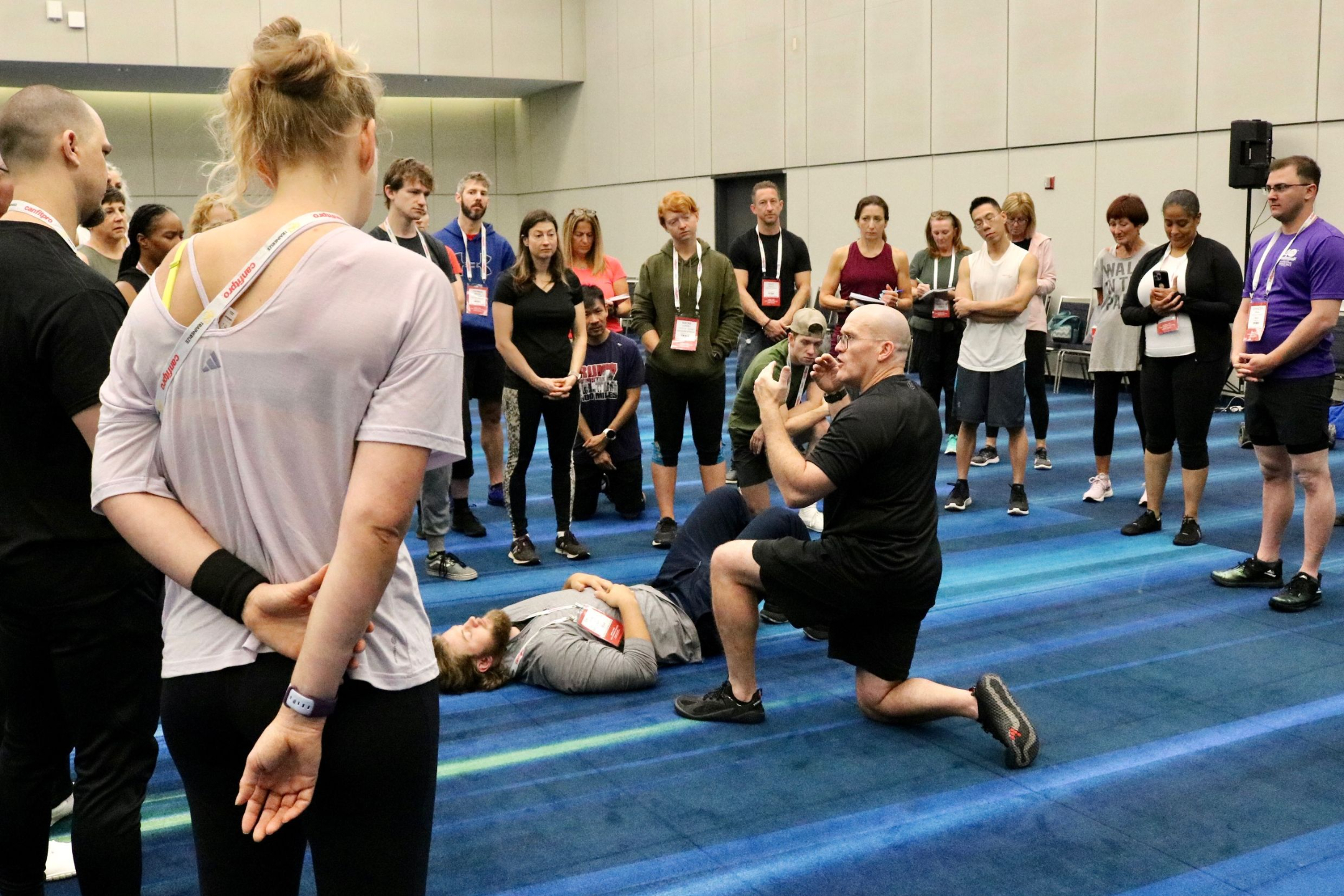
When leaders notice declining engagement, motivation is often blamed first. However, engagement is closely connected to how employees feel physically, mentally, and emotionally.
An employee who is stressed, exhausted, uncomfortable, or overwhelmed may appear unmotivated when they are actually depleted. This distinction matters.
If the problem is energy depletion, motivational speeches alone will not solve it. Employees need practical tools that help them recover energy, manage stress, and improve their overall wellbeing.
This is one reason why customized workplace wellness seminars have become increasingly popular.
At McDonald Method, organizations can access tailored wellness programs designed around their team's specific challenges and goals.
Whether a company needs support with stress management, communication, movement, breathing, or presentation skills, customized solutions can create meaningful and lasting improvements.
Workplace Wellness Is a Smart Business Investment
Many business leaders genuinely care about employee wellbeing. However, some still view wellness initiatives as an additional expense rather than a business investment.
The reality is that workplace wellness can influence:
- Productivity
- Employee retention
- Workplace culture
- Absenteeism
- Team performance
- Employee satisfaction
When employees feel better, they generally perform better.
When teams communicate effectively, productivity improves.
When stress levels decrease, engagement often increases.
Investing in workplace wellness is not simply about helping employees feel good. It is about creating an environment where people can consistently perform at their best.
Organizations that prioritize employee wellbeing often position themselves for stronger long term success.
Conclusion
Understanding Why Workplace Energy Is Dropping is essential for any business that wants to maintain productivity, support employees, and build a healthy workplace culture.
In many cases, declining workplace energy has very little to do with motivation.
The real causes often include stress, mental fatigue, physical discomfort, poor communication, and a lack of practical wellbeing strategies.
Business owners and managers face tremendous pressure to support both employee wellbeing and organizational growth. It is not always easy to balance these responsibilities.
However, workplace wellness programs can provide practical solutions that benefit both employees and the business itself.
Through workshops focused on stress management, breathing, communication, movement, presentation skills, and customized wellness solutions, McDonald Method helps organizations create healthier, more energized workplaces.
When employees feel supported, energized, and equipped to manage workplace challenges, everyone benefits.
Frequently Asked Questions
What are the main reasons workplace energy is dropping?
Common causes include workplace stress, mental fatigue, prolonged sitting, poor communication, lack of movement, and insufficient recovery during the workday.
How does workplace stress affect productivity?
Stress can reduce focus, impair decision making, increase errors, lower engagement, and contribute to burnout, all of which negatively impact productivity.
Can workplace wellness programs improve employee energy?
Yes. Practical workplace wellness programs can help employees manage stress, improve physical wellbeing, enhance focus, and maintain higher energy levels throughout the day.
What types of workplace wellness workshops does McDonald Method offer?
McDonald Method offers Stress Management Solutions workshops, breathing workshops, workplace communication workshops, presentation skills workshops, hip mobility workshops, back pain prevention workshops, and customized workplace wellness seminars.
Are workplace wellness programs suitable for small businesses?
Absolutely. Organizations of all sizes can benefit from workplace wellness initiatives that help employees feel healthier, more engaged, and more productive.
How can businesses get started with workplace wellness?
A great first step is identifying the biggest challenges affecting employee wellbeing and then choosing targeted wellness workshops that address those specific needs. More information is available through the Workplace Wellness page at Mcdonald Method.
Contact Now!
Don't miss a beat!
New moves, motivation, and classes delivered to your inbox.
We hate SPAM. We will never sell your information, for any reason.
