
8 Workplace Wellness Strategies That Create Healthier, Happier Teams
Jul 03, 2026Every business owner, manager, and team leader wants a workplace where people feel motivated, productive, and genuinely happy to contribute. Yet many organizations find themselves facing a very different reality. Employees feel overwhelmed, meetings lack energy, communication breaks down, and productivity slowly begins to decline. Even the most dedicated teams can struggle when stress becomes part of everyday work.
If this sounds familiar, you are certainly not alone. Building a successful business comes with constant pressure. There are deadlines to meet, customers to satisfy, and financial goals to achieve. At the same time, there is another responsibility that often weighs heavily on leaders: supporting the wellbeing of the people who make the business possible.
When employees experience ongoing stress, fatigue, or physical discomfort, their performance naturally suffers. Morale drops, collaboration becomes more difficult, and talented people may even begin looking for opportunities elsewhere. Over time, these challenges can affect not only individuals but the overall health of the business.
This is where workplace wellness strategies can make a meaningful difference. Rather than being viewed as another workplace initiative, they should be seen as practical tools that help employees perform at their best while creating a healthier and more positive work environment.
The good news is that improving employee wellbeing does not always require major changes or expensive programs. Small, consistent actions can have a lasting impact when they are thoughtfully introduced and supported by leadership.
Here are eight practical workplace wellness strategies that help create healthier, happier teams while strengthening business performance.
Why Workplace Wellness Strategies Matter More Than Ever
Employee wellbeing has become one of the biggest factors influencing business success. Healthy employees are more focused, communicate more effectively, solve problems with greater confidence, and contribute to a stronger workplace culture.
Unfortunately, many workplaces continue to overlook the warning signs.
Employees who spend long hours sitting at a desk may develop stiffness, back pain, or poor posture. Others experience mental exhaustion from constant deadlines, overflowing inboxes, and continuous meetings. Even high performers can reach a point where stress begins affecting both their health and their work.
Research from the World Health Organization highlights that healthy workplaces support both physical and mental wellbeing, leading to better productivity and healthier employees.
Business owners often try to solve these issues by hiring more staff, introducing new software, or increasing performance expectations. While these solutions have their place, they rarely address the root cause.
People perform better when they feel supported.
Effective workplace wellness strategies focus on helping employees manage stress, improve movement, communicate with confidence, and maintain the energy they need throughout the working day.
When employees feel healthier, businesses often experience benefits such as:
- Higher productivity
- Better teamwork
- Improved employee engagement
- Reduced absenteeism
- Stronger workplace culture
- Higher employee retention
- Better customer experiences
Workplace wellness is no longer simply a nice benefit. It has become a practical business investment that supports long-term success.
Strategy One: Help Employees Understand and Manage Stress
Stress is one of the biggest barriers to high performance.
A certain amount of pressure can motivate employees. However, ongoing stress without opportunities for recovery often leads to burnout, reduced focus, poor decision-making, and lower morale.
Many employees are not taught how stress affects the body or what they can do to manage it during a busy workday. As a result, they continue working while their energy and concentration slowly decline.
Simple education can make a remarkable difference.
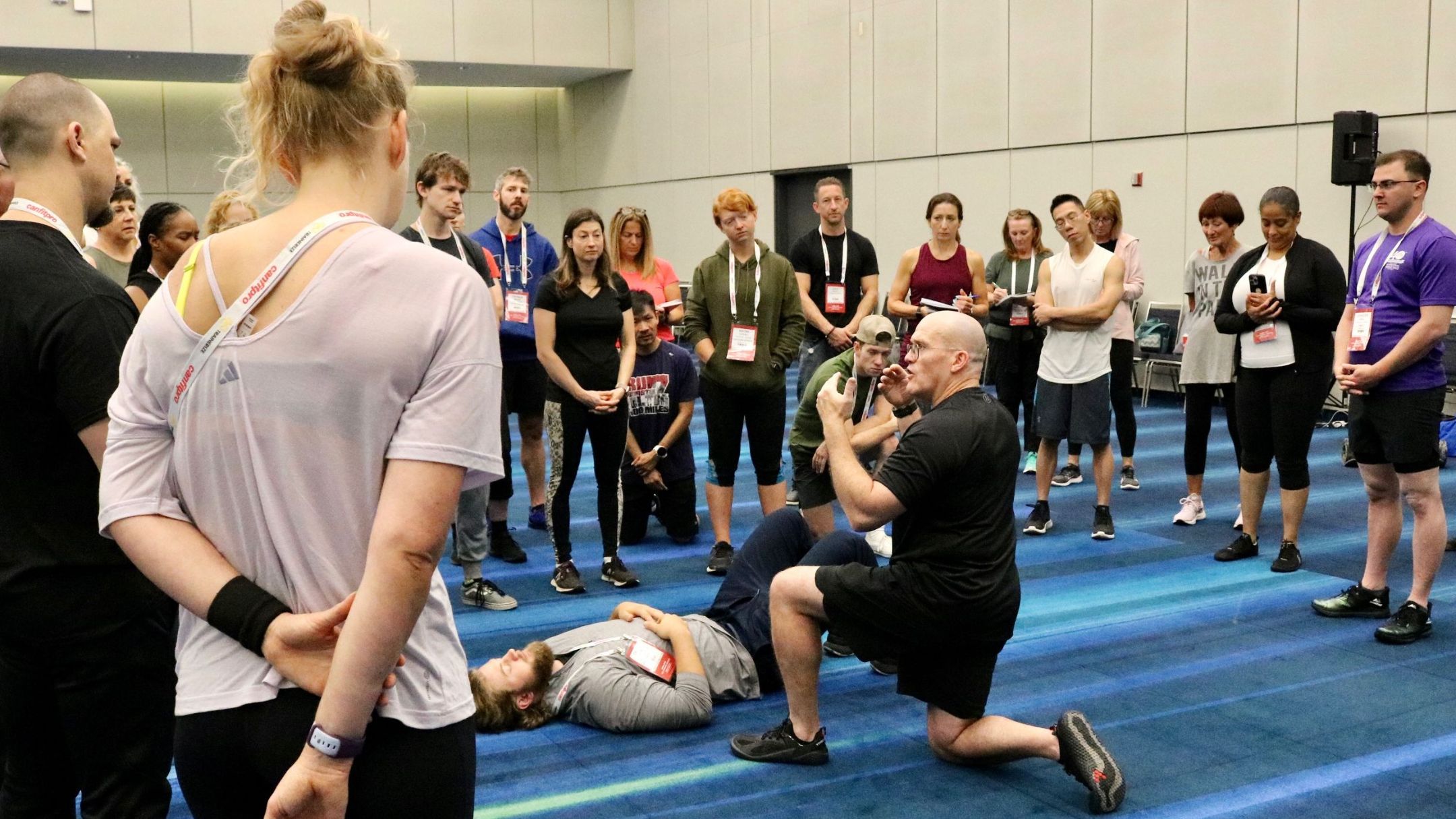
Workshops that focus on stress awareness give employees practical techniques they can begin using immediately. Learning how the body responds to stress, recognizing early warning signs, and understanding the importance of recovery allows employees to take better care of both themselves and their work.
The McDonald Method offers practical Stress Management Solutions workshops that help employees understand stress in simple, relatable ways. Rather than overwhelming participants with theory, these sessions provide realistic strategies that fit naturally into the working day.
When stress becomes more manageable, employees often notice improved concentration, greater patience, stronger communication, and increased confidence. Managers also benefit by leading teams that are calmer, more engaged, and better equipped to handle everyday challenges.
Most importantly, employees feel that their wellbeing genuinely matters, creating trust that extends throughout the entire organization.
Strategy Two: Improve Breathing for Better Energy and Focus
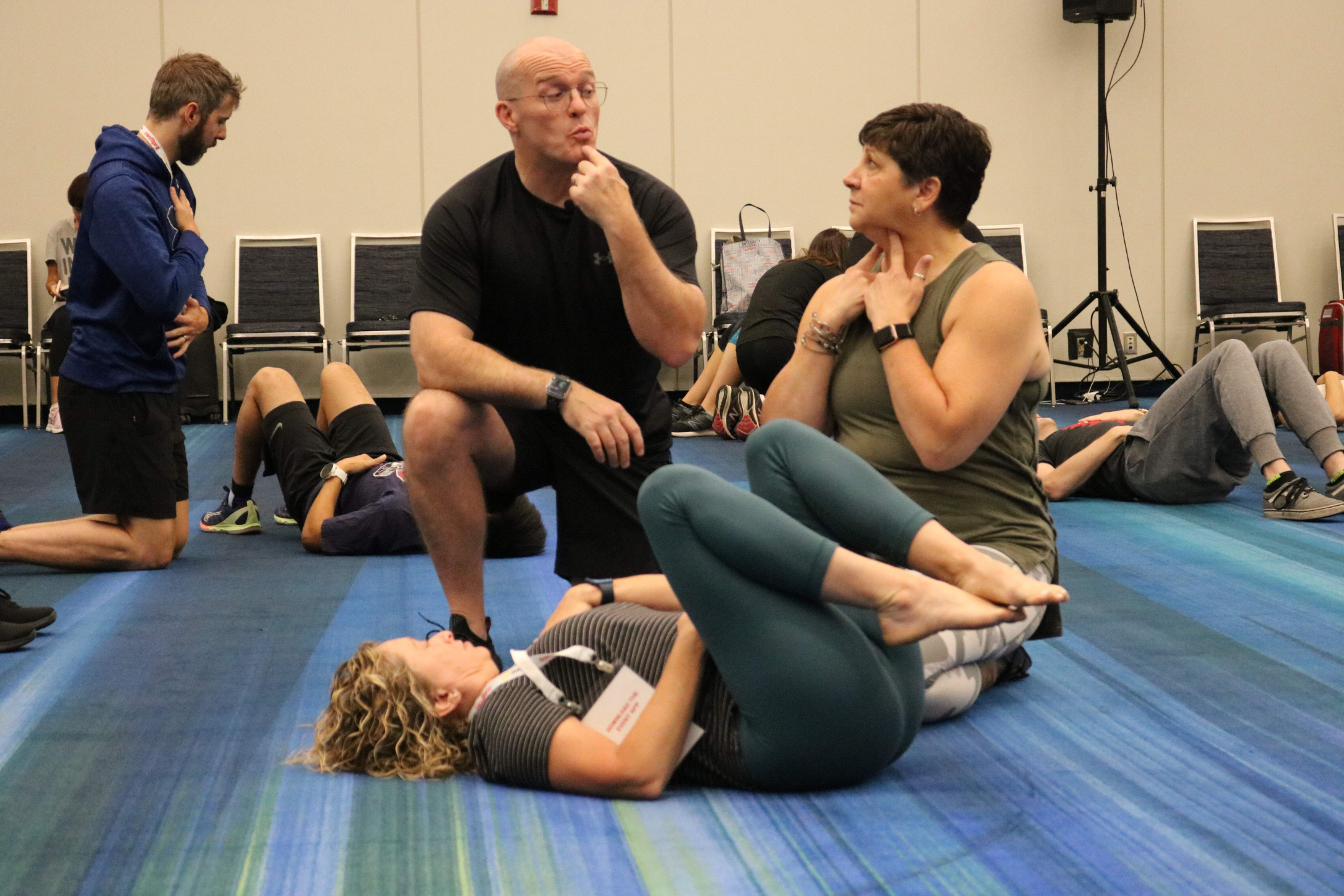
Breathing is something every employee does thousands of times each day, yet very few people pay attention to how they breathe. Poor breathing habits often develop during stressful periods, long meetings, or extended hours sitting at a desk. Over time, these habits can contribute to fatigue, reduced concentration, and increased feelings of stress.
Teaching employees simple breathing techniques is one of the most effective workplace wellness strategies because it requires no expensive equipment and very little time. A few minutes of mindful breathing can help calm the nervous system, improve mental clarity, and restore energy during a busy workday.
Employees who learn healthy breathing habits often report feeling more focused before important meetings, more relaxed during challenging conversations, and better able to manage pressure throughout the day.
The McDonald Method offers breathing workshops that show employees practical techniques they can easily use at work. These sessions explain how breathing affects stress, posture, sleep, focus, and overall wellbeing in a way that is simple and engaging.
Small changes in breathing can lead to noticeable improvements in both individual performance and team productivity.
Strategy Three: Strengthen Workplace Communication
Every successful business depends on clear communication.
When employees misunderstand instructions, hesitate to ask questions, or struggle to express ideas, even simple tasks can become frustrating. Poor communication often leads to confusion, reduced trust, missed deadlines, and unnecessary workplace tension.
Creating a culture where people feel comfortable speaking openly and listening carefully helps every part of the business operate more smoothly.
Communication skills are not only important for managers. Every employee benefits from learning how to listen with intention, give constructive feedback, and communicate respectfully during difficult situations.
McDonald Method workplace communication workshops help employees build stronger relationships by improving both verbal and nonverbal communication skills. Participants learn practical techniques that increase confidence while encouraging greater collaboration across teams.
As communication improves, employees become more engaged in meetings, teamwork becomes easier, and workplace relationships grow stronger. This creates an environment where people feel respected, valued, and motivated to contribute their best work.
Strategy Four: Help Employees Move More Throughout the Day
Modern workplaces often require employees to spend many hours sitting at desks, attending meetings, or working on computers. While this may seem normal, prolonged sitting can contribute to stiff joints, poor posture, muscle discomfort, and ongoing back pain.
Physical discomfort affects much more than the body. Employees who experience pain often struggle to stay focused, become tired more quickly, and find it harder to remain productive throughout the day.
Encouraging regular movement is one of the simplest workplace wellness strategies any business can introduce.
Even short movement breaks during the workday can improve circulation, reduce stiffness, and refresh mental focus.
The McDonald Method offers practical Hip Hip Hooray workshops that help improve hip mobility, along with Back To Basics workshops that teach employees how to protect their backs through better posture, healthier sitting habits, and simple daily movements.
These practical sessions provide knowledge employees can continue using long after the workshop ends, helping reduce discomfort while supporting long-term physical wellbeing.
Strategy Five: Help Employees Communicate With Confidence
Many employees have valuable ideas but struggle to present them confidently. Others feel anxious when speaking during meetings, presenting to clients, or leading discussions with colleagues.
This lack of confidence can limit creativity, reduce participation, and prevent businesses from benefiting from the full potential of their teams.
Presentation skills are about much more than public speaking. They help employees express ideas clearly, influence others positively, and build stronger professional relationships.
The McDonald Method Inspire, Do Not Expire workshop helps employees develop confidence, improve their delivery, and communicate with greater energy and impact.
As employees become more confident communicators, meetings become more engaging, client interactions improve, and collaboration across teams becomes far more effective.
Strong communication builds stronger businesses.
Strategy Six: Create a Workplace Culture That Supports Wellbeing

Many organizations introduce wellness activities with good intentions, but lasting change happens only when wellbeing becomes part of the workplace culture.
Employees notice when leaders genuinely care about their health and wellbeing. Small actions such as encouraging regular breaks, promoting open conversations about stress, recognizing achievements, and supporting healthy work habits all contribute to a more positive environment.
Culture is built through everyday actions rather than occasional events.
Businesses that prioritize wellbeing often experience stronger employee loyalty, higher morale, and improved teamwork because employees feel respected as people rather than simply workers.
One effective way to strengthen workplace culture is through customized workplace wellness seminars that address the unique needs of each organization.
The McDonald Method works with businesses to create practical wellness sessions that reflect their goals, challenges, and team dynamics. Whether the focus is stress management, communication, movement, or employee engagement, tailored workshops help businesses create meaningful and lasting improvements.
A healthy workplace culture encourages employees to perform well because they genuinely want to contribute, not because they feel pressured to do so.
Strategy Seven: Make Meetings More Meaningful and Engaging
Many employees spend a significant part of their week in meetings. Unfortunately, not every meeting leaves people feeling informed or inspired. Long discussions with no clear direction can reduce energy, limit participation, and take valuable time away from meaningful work.
One of the most effective workplace wellness strategies is to rethink how meetings are run. Short wellness activities at the beginning of a meeting, such as a breathing exercise or a simple movement break, can help employees feel more alert and engaged. Encouraging open discussion and giving everyone an opportunity to contribute also creates a stronger sense of involvement.
When people feel heard, they are more likely to share ideas, solve problems together, and stay focused on common goals.
McDonald Method workshops are designed to make workplace learning practical and interactive. Instead of sitting through lengthy presentations, employees take part in engaging sessions that encourage movement, discussion, and immediate application. This creates a more positive learning experience that often carries over into everyday meetings.
Small improvements in meeting culture can have a lasting effect on communication, collaboration, and productivity.
Strategy Eight: Make Workplace Wellness Part of Everyday Business
One wellness event each year is unlikely to create lasting change. Employees benefit most when wellbeing becomes part of their everyday work experience.
This does not mean introducing complicated programs or expensive initiatives. It means creating an environment where healthy habits are encouraged consistently.
For example, managers can encourage regular movement breaks during long periods of desk work. Teams can begin meetings with a simple breathing exercise to improve focus. Open conversations about stress and workload can help employees feel supported before challenges become overwhelming.
The most successful organizations understand that workplace wellness is an ongoing commitment rather than a one-time activity.
This is where customized workplace wellness seminars can provide real value. Every business faces different challenges, and a tailored approach allows organizations to focus on the areas that matter most to their employees.
Whether a team needs support with stress management, communication, presentation skills, mobility, or back health, practical workshops give employees tools they can continue using every day.
When wellbeing becomes part of the workplace culture, businesses often notice improvements that extend far beyond employee health. Teams become more connected, leaders become more effective, and employees feel proud to be part of an organization that genuinely values them.
Conclusion
Every business experiences challenges. Deadlines become tighter, workloads increase, and expectations continue to grow. While these pressures may never disappear, the way an organization supports its people can make all the difference.
Healthy, engaged employees are the foundation of every successful business. They communicate more effectively, solve problems with greater confidence, work together more successfully, and contribute to a workplace culture where people enjoy coming to work.
Investing in workplace wellness strategies is not simply about reducing stress or preventing injuries. It is about helping people perform at their best while creating an environment where both employees and businesses can thrive.
The McDonald Method believes workplace wellness should be practical, engaging, and easy to apply. Through workshops focused on stress management, breathing, communication, presentation skills, hip mobility, back health, and customized wellness seminars, businesses can give their teams simple tools that create meaningful and lasting change.
Supporting employee wellbeing today can lead to stronger teams, healthier workplaces, and sustainable business growth for years to come.
Frequently Asked Questions
What are workplace wellness strategies?
Workplace wellness strategies are practical actions that help improve employees' physical, mental, and emotional wellbeing. They may include stress management, movement, healthy communication, breathing techniques, and workplace education that supports a healthier and more productive team.
Why are workplace wellness strategies important?
Healthy employees are generally more engaged, productive, and motivated. Effective wellness strategies can reduce stress, improve morale, lower absenteeism, strengthen teamwork, and create a more positive workplace culture.
How can small businesses benefit from workplace wellness programs?
Businesses of every size can benefit. Even simple changes, such as encouraging movement, improving communication, or providing wellness workshops, can lead to better employee wellbeing, stronger retention, and improved business performance.
What types of workplace wellness workshops does McDonald Method offer?
McDonald Method offers practical workshops covering Stress Management Solutions, breathing techniques, workplace communication, presentation skills, hip mobility, back pain prevention, and customized workplace wellness seminars designed to meet the needs of different organizations.
How often should businesses offer workplace wellness training?
There is no single answer for every organization. Many businesses see the greatest benefit when wellness becomes part of an ongoing strategy rather than a one-time event. Regular workshops and consistent support help employees build healthy habits that last.
Contact Now!
Don't miss a beat!
New moves, motivation, and classes delivered to your inbox.
We hate SPAM. We will never sell your information, for any reason.
