
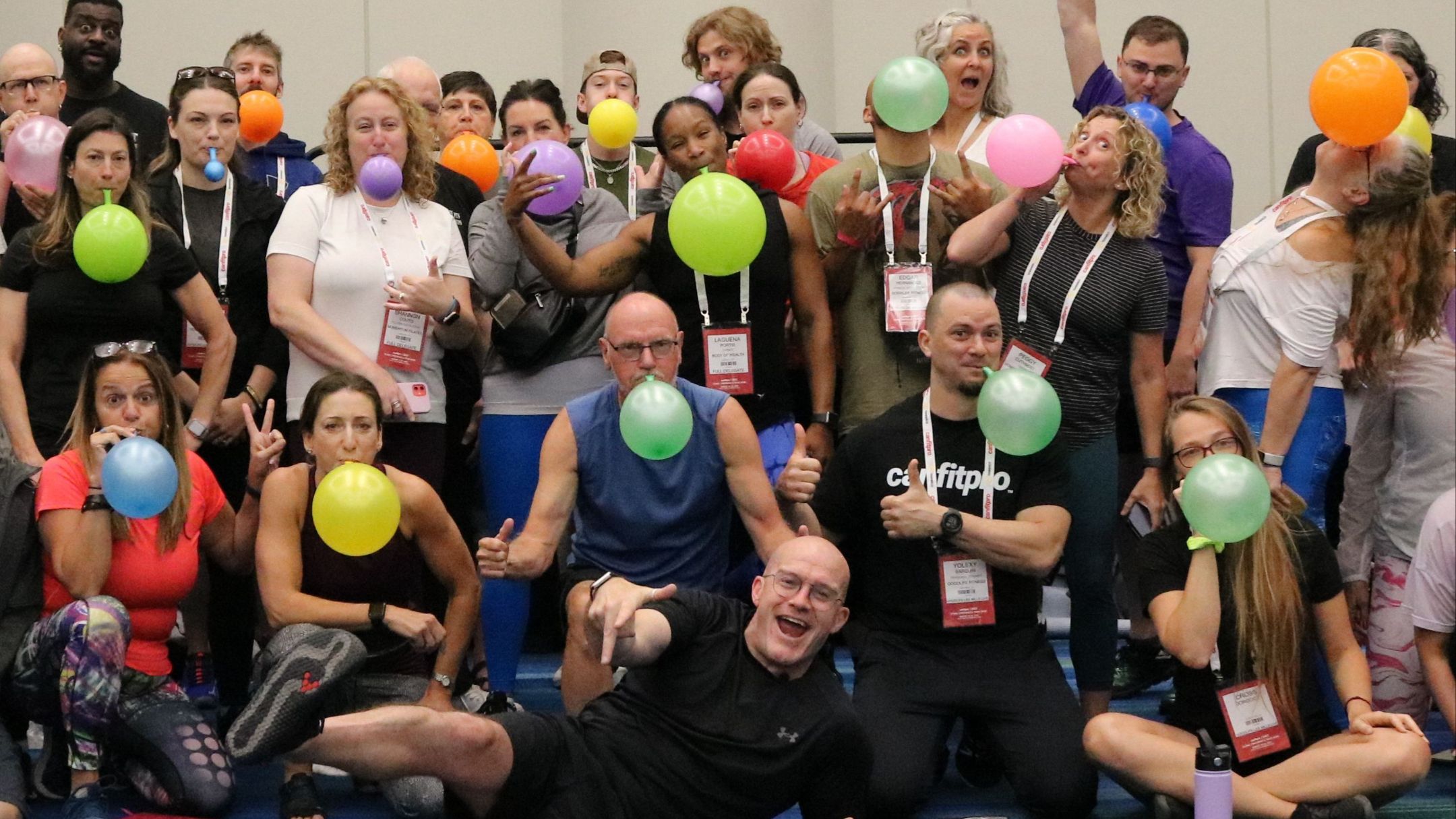
Why Most People Still Feel Stressed Even When They Try to Relax
May 24, 2026Modern life keeps people in constant survival mode.
From work pressure and poor sleep to endless screen time and mental overload, the body rarely gets a chance to slow down properly. Many people feel exhausted even after resting. They wake up tired, feel tension in their shoulders and chest, struggle to focus, and carry stress throughout the day without even realizing it.
What surprises most people is that breathing often sits at the center of the problem.
Breathing is something we do around 20,000 times every single day, yet very few people have ever been taught how to breathe properly. Most people assume breathing happens automatically, so there is nothing to improve.
That assumption can quietly affect energy, posture, stress levels, focus, recovery, and overall wellbeing.
This is exactly why the Breathing Basics course McDonald Method, has become such a valuable resource for people wanting a simple and practical way to improve how they breathe and feel every day.
Why Breathing Matters More Than Most People Realize
Many people only think about breathing when something feels wrong. Maybe they feel anxious. Maybe they feel out of breath walking upstairs. Maybe stress feels impossible to control. But breathing affects far more than just oxygen intake.
The way you breathe influences:
• Stress levels
• Energy production
• Sleep quality
• Focus and concentration
• Posture
• Recovery
• Relaxation
• Movement quality
Poor breathing patterns can quietly place the body under constant tension.
This is why so many people feel mentally drained even when they are not doing physically demanding work.
The body never fully relaxes.
Stress Changes the Way We Breathe
One of the biggest problems today is chronic stress.
When people feel stressed, breathing often becomes shallow and fast. Instead of breathing deeply through the diaphragm, many begin breathing into the upper chest. Over time, this becomes automatic. The body starts treating stress as its normal state.
This can lead to:
- Tight shoulders and neck
- Increased tension
- Reduced focus
- Poor recovery
- Mental fatigue
- Difficulty relaxing
Many people try to solve these issues with caffeine, supplements, or endless motivation techniques. But sometimes the real issue is much simpler. The body has forgotten how to breathe efficiently.
Why Most Breathing Advice Feels Confusing
The internet is filled with breathing techniques. One video says to breathe fast. Another says to breathe slowly. Some focus on performance. Others focus on meditation. For beginners, it can feel overwhelming. Many people end up quitting because they do not know where to start.
This is one of the best things about the Breathing Basics course. Instead of overwhelming people with complicated theories, it simplifies the process. The course teaches practical diaphragmatic breathing in a way that makes sense for normal everyday life. No complicated science language. No fancy equipment. No unrealistic routines. Just practical education that people can actually use.
What Is Diaphragmatic Breathing
Diaphragmatic breathing is often called belly breathing. It focuses on using the diaphragm properly instead of relying on shallow chest breathing. The diaphragm is one of the most important breathing muscles in the body. When it functions well, breathing becomes more efficient and relaxed. But stress, poor posture, sitting for long hours, and tension can all affect how the diaphragm works. That is why many people struggle when someone tells them to “just breathe with your diaphragm.”
It is not always that simple.
The body may first need retraining.
The team at McDonald Method understands this deeply, which is why the course focuses on practical progress rather than unrealistic perfection.
Signs Your Breathing May Need Attention
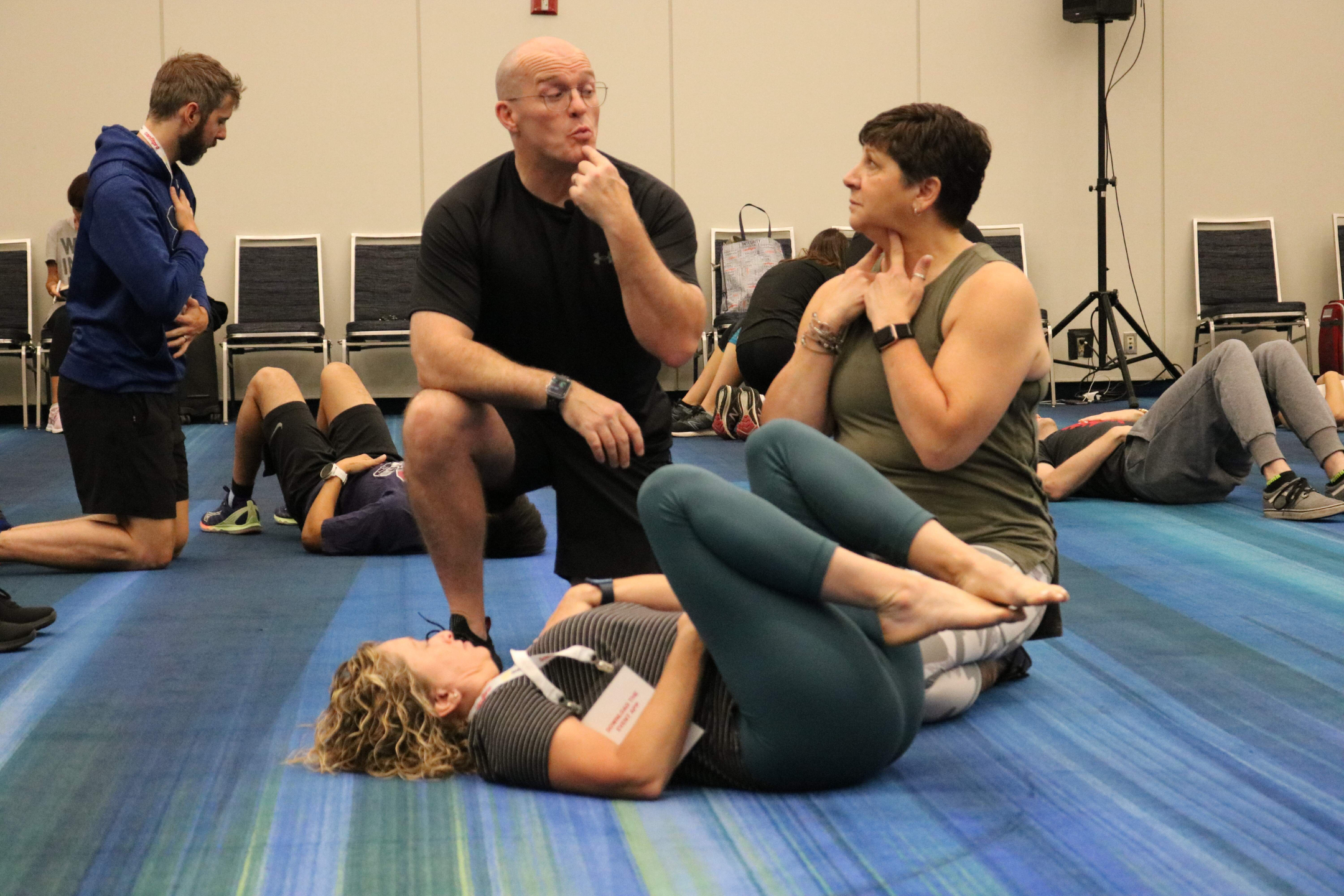
Many people live with poor breathing habits without realizing it. Some common signs include:
Feeling tired throughout the day
Poor breathing can reduce efficiency and increase tension.
Tight neck and shoulders
Chest breathing often creates excess upper body tension.
Feeling anxious or overwhelmed
Stress and breathing patterns strongly influence each other.
Difficulty relaxing
The nervous system struggles to calm down when breathing remains shallow.
Poor posture
Breathing mechanics and posture are closely connected.
Constant fatigue
The body may be working harder than necessary just to breathe. If several of these sound familiar, improving breathing mechanics may help more than you expect.
Why Self-Assessment Is So Important
One of the smartest things taught in the course is self-assessment. Most people spend years guessing. They try random breathing exercises without understanding what their body actually needs. The Breathing Basics course teaches simple ways to assess your own breathing patterns.
This helps create awareness.
Instead of blindly copying techniques online, you begin understanding:
- How your body currently breathes
- Where tension exists
- What areas may feel restricted
- What needs improvement first
This creates a much more effective starting point.
As Ben McDonald explains throughout the course, “If you are not assessing, you are guessing.”
Mobility Plays a Bigger Role Than People Think
Breathing is not only about the lungs. The body itself needs to move well. Tight ribs, stiff posture, restricted upper backs, and limited movement can all affect breathing quality. This is why mobility work matters. The course includes practical mobility techniques designed to help the body move and breathe more naturally.
These techniques are simple and adaptable for different experience levels. That is important because many people feel intimidated by complicated fitness programs. The approach used by the McDonald Method feels realistic and approachable.
It focuses on progress that fits into everyday life.
Better Breathing Can Improve Daily Life
Many people think breathing exercises are only for relaxation. The reality is much bigger. Improving breathing can positively influence everyday activities.
Better sleep
Relaxed breathing patterns can help the body unwind before bed.
Improved focus
Breathing affects mental clarity and concentration.
Reduced stress
Controlled breathing helps calm the nervous system.
More energy
Efficient breathing reduces unnecessary tension and fatigue.
Better movement
Breathing influences posture, stability, and coordination.
Small improvements in breathing can create noticeable changes across daily life.
Why Simplicity Matters
One reason many people fail with wellness programs is that they feel too complicated. People already feel overwhelmed. They do not need another stressful routine. The strength of the Breathing Basics course is its simplicity. It teaches practical tools that people can realistically apply.
No expensive equipment.
No impossible schedules.
No complicated terminology.
This makes it far easier for people to stay consistent and actually see progress.
The Connection Between Breath and Mental Health
Breathing and mental wellbeing are deeply connected. When stress increases, breathing often becomes shorter and faster. When breathing slows and becomes more controlled, the nervous system can begin calming down. According to the Cleveland Clinic, diaphragmatic breathing may help reduce stress and support relaxation. This is why breathing retraining can feel so powerful emotionally.
People often notice they feel calmer, clearer, and more present. Not because life suddenly became easier. But because the body is no longer stuck in constant survival mode.
Why McDonald's Method Stands Out
There are countless wellness programs online. Many overcomplicate simple concepts. Others focus more on trends than practical education. The McDonald Method takes a different approach. The focus is on helping real people understand their bodies in a simple and practical way.
The education feels approachable. The techniques feel realistic. And the information is designed to fit normal life rather than adding more stress to it. This is why the Breathing Basics course resonates with so many people. It removes confusion and replaces it with clarity.
Final Thoughts
Breathing is something most people never think about until stress, fatigue, or tension becomes impossible to ignore. But the way you breathe shapes the way you feel every single day. Poor breathing habits can quietly affect energy, posture, focus, sleep, and emotional wellbeing. The good news is that breathing can be retrained.
Small changes can create meaningful improvements. That is why learning from trusted education matters. The Breathing Basics course gives people a clear and simple starting point for improving their breathing in a way that feels practical and sustainable.
Sometimes the most powerful changes begin with something as simple as a better breath.
Frequently Asked Questions
What is diaphragmatic breathing?
Diaphragmatic breathing is a breathing method that focuses on using the diaphragm properly for deeper and more efficient breathing.
Can breathing exercises help with stress?
Yes. Controlled breathing techniques may help calm the nervous system and reduce stress levels.
Do I need equipment for the Breathing Basics course?
No. The course is designed to be simple and accessible without fancy equipment.
Is the course suitable for beginners?
Yes. The course explains breathing concepts in easy-to-understand language for everyday people.
Why is breathing important for posture?
Breathing mechanics and posture are closely connected. Poor breathing patterns can increase tension and affect alignment.
Ready To Breathe Better and Feel Better
If stress, tension, fatigue, or poor breathing habits have been affecting your daily life, now is the perfect time to take action.
Explore the Breathing Basics course and discover how the McDonald Method can help you build healthier breathing habits that support your body and mind every single day.
Contact Now!
Don't miss a beat!
New moves, motivation, and classes delivered to your inbox.
We hate SPAM. We will never sell your information, for any reason.
