
What Every HR Leader Should Know About Workplace Wellness Programs
Jul 03, 2026Being an HR leader has never been more demanding. Every day brings new challenges, from attracting and retaining talented employees to supporting teams through increasing workloads, changing expectations, and constant business pressures. While productivity and business growth remain top priorities, there is another responsibility that has become impossible to ignore: employee wellbeing.
Many HR professionals find themselves trying to balance business goals with the needs of their people. Employees are feeling more stressed, workplace morale may be slipping, and long hours can leave teams mentally and physically exhausted. It is not uncommon to see rising health-related absences, lower engagement during meetings, and valuable employees choosing to leave because they no longer feel supported.
These challenges affect more than individual employees. They influence teamwork, customer service, workplace culture, and ultimately the success of the business itself.
This is why workplace wellness programs have become an essential part of modern organizations. When designed thoughtfully, they help employees manage stress, improve communication, build healthier habits, and perform at their best.
Rather than being viewed as an additional expense, workplace wellness should be seen as an investment in the people who drive every business forward.
Why Workplace Wellness Programs Matter More Than Ever
Employees spend a significant part of their lives at work. The workplace has a direct influence on both physical and mental wellbeing, making it one of the most important environments for supporting healthy habits.
Unfortunately, many employees spend long hours sitting, moving from one meeting to another, responding to endless emails, and juggling competing priorities. Over time, this can lead to fatigue, poor posture, ongoing stress, reduced concentration, and eventually burnout.
Research from the World Health Organization shows that healthy workplaces contribute to better physical and mental health while supporting stronger organizational performance.
HR leaders often notice the warning signs before anyone else.
Employees become quieter during meetings. Collaboration begins to decline. Small disagreements become larger conflicts. Motivation decreases, and absenteeism starts to increase. These issues rarely appear overnight. They usually develop gradually as stress continues to build without effective support.
This is where workplace wellness programs create real value.
By providing employees with practical skills rather than temporary solutions, organizations can improve both wellbeing and business performance. Employees who feel healthier and more supported are often more engaged, more productive, and more committed to the organization.
Investing in wellbeing sends a powerful message that employees are valued not only for the work they produce but also as people.
Employees who are supported through workplace wellness programs often experience:
- Better focus throughout the workday
- Lower stress levels
- Stronger communication with colleagues
- Increased energy and motivation
- Fewer health-related absences
- Higher job satisfaction
- Greater engagement during meetings
HR Plays a Key Role in Building a Healthy Workplace

Creating a healthy workplace is not solely the responsibility of managers or senior executives. HR professionals are often the people who shape the culture, introduce new initiatives, and ensure employees have access to the support they need.
This position provides a unique opportunity to influence positive change across the entire organization.
Successful HR leaders understand that wellbeing extends beyond physical health. It includes mental wellbeing, emotional resilience, communication, confidence, and workplace relationships.
Instead of reacting only after problems appear, forward-thinking HR teams focus on prevention.
Simple initiatives such as encouraging movement during the workday, providing stress management education, supporting better communication, and creating opportunities for employees to learn practical wellbeing skills can make a lasting difference.
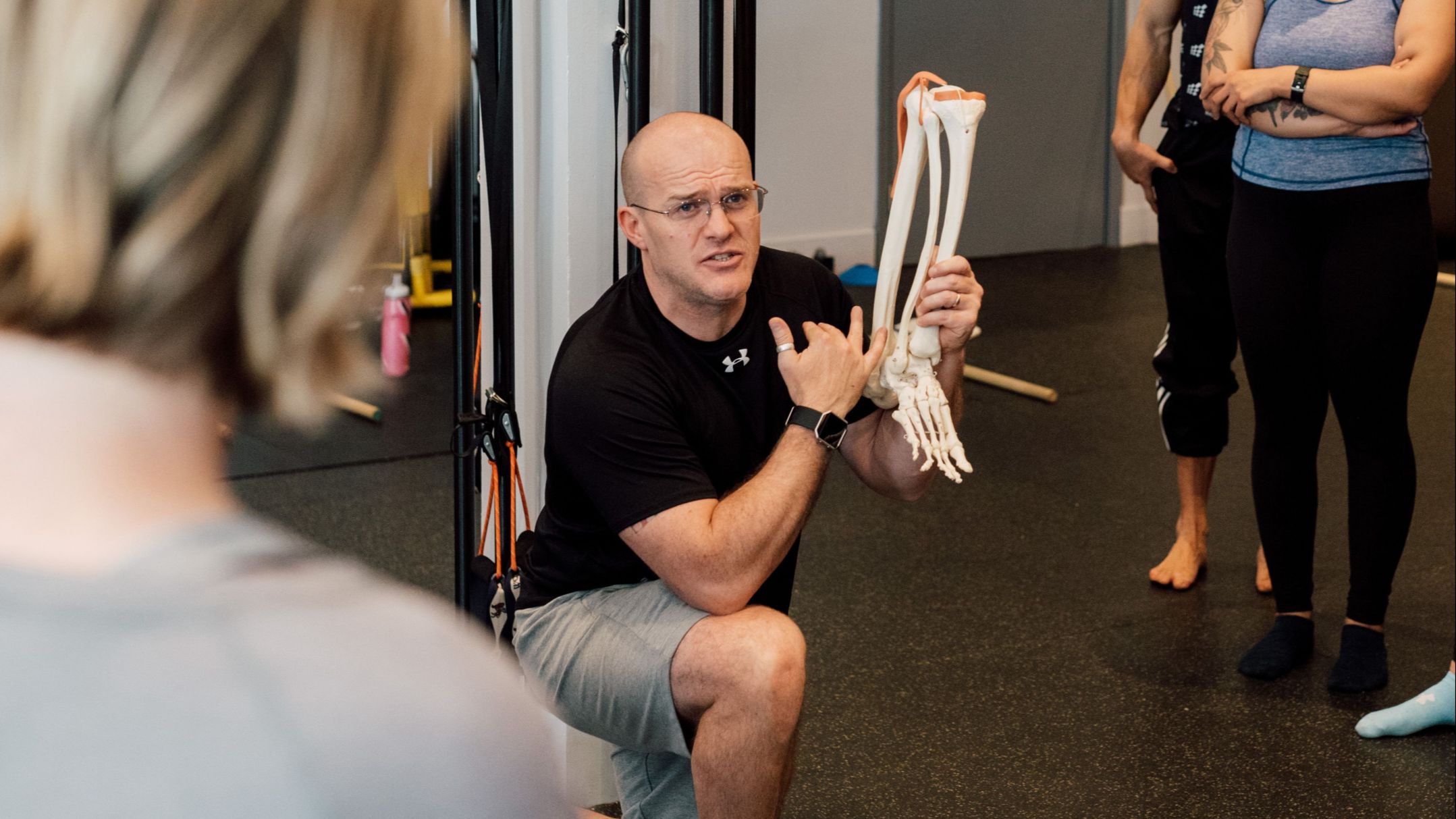
The McDonald Method takes this practical approach through engaging workplace wellness workshops that employees can immediately apply in their daily work. Rather than overwhelming participants with complex information, each session focuses on realistic strategies that fit naturally into busy workplaces.
Whether employees need support managing stress, improving posture, communicating more effectively, or building confidence during presentations, practical learning experiences often lead to lasting improvements.
For HR leaders, this means investing in solutions that continue benefiting employees long after the workshop has ended.
Signs Your Team May Need a Workplace Wellness Program
- Employee burnout is becoming more common.
- Meetings feel unproductive.
- Morale has noticeably declined.
- Staff turnover continues to rise.
- Employees often complain about stress or fatigue.
- Communication between teams is breaking down.
Supporting Employee Mental and Physical Wellbeing
Employee wellbeing is about much more than offering occasional perks or organizing a single wellness event each year. Real wellbeing comes from helping employees develop healthy habits they can use every day, both at work and beyond.
Many employees experience stress without realizing how much it affects their performance. Constant pressure can reduce concentration, increase mistakes, affect communication, and leave people feeling mentally exhausted before the workday is over.
Physical wellbeing is equally important. Sitting for long periods, poor posture, and repetitive movements often lead to stiffness, back pain, and reduced energy. These physical challenges can slowly impact productivity and contribute to rising health-related absences.
Effective workplace wellness programs address both mental and physical health together.
For example, employees who understand how stress affects the body are often better equipped to manage challenging situations. Likewise, employees who learn simple movement techniques can reduce physical discomfort and stay more focused throughout the day.
The McDonald Method offers practical workshops that help employees improve their wellbeing through simple actions they can immediately apply.
The Stress Management Solutions workshop teaches employees how to recognize stress, understand how it affects the body, and develop healthy recovery habits.
Breathing workshops introduce practical breathing techniques that support focus, relaxation, energy, posture, and better sleep. Although breathing is something everyone does automatically, learning to breathe more effectively can make a noticeable difference during busy workdays.
For employees who spend many hours sitting, the Hip Hip Hooray workshop focuses on improving hip mobility, while the Back To Basics workshop helps employees understand posture, movement, and ways to reduce the risk of ongoing back pain.
These workshops are simple, engaging, and designed for real workplaces where practical solutions matter most.
Choosing Workplace Wellness Programs That Deliver Lasting Results
Not every wellness initiative creates meaningful change.
Some businesses introduce short-term activities that generate excitement for a few days but have little long-term impact. HR leaders often face the difficult task of deciding which programs are truly worth the investment.
The most successful workplace wellness programs share several important qualities.
They are practical rather than complicated.
They encourage participation rather than passive learning.
They provide employees with skills they can continue using every day.
They support both individual wellbeing and stronger team performance.
Workshops should also reflect the unique challenges facing each organization. A sales team may benefit from stronger presentation skills and improved communication, while office-based employees may need support managing stress, improving posture, or reducing physical discomfort caused by prolonged sitting.
This is why customized workplace wellness seminars can provide far greater value than generic wellness sessions.
The McDonald Method works closely with organizations to understand their goals before delivering tailored workshops that meet the specific needs of each team. This personalized approach helps employees see the direct relevance of every session, making it easier to apply what they learn.
When employees leave a workshop with practical tools they can use immediately, businesses begin to see positive changes in confidence, collaboration, communication, and overall workplace culture.
Creating a Workplace Culture That Supports Long-Term Success
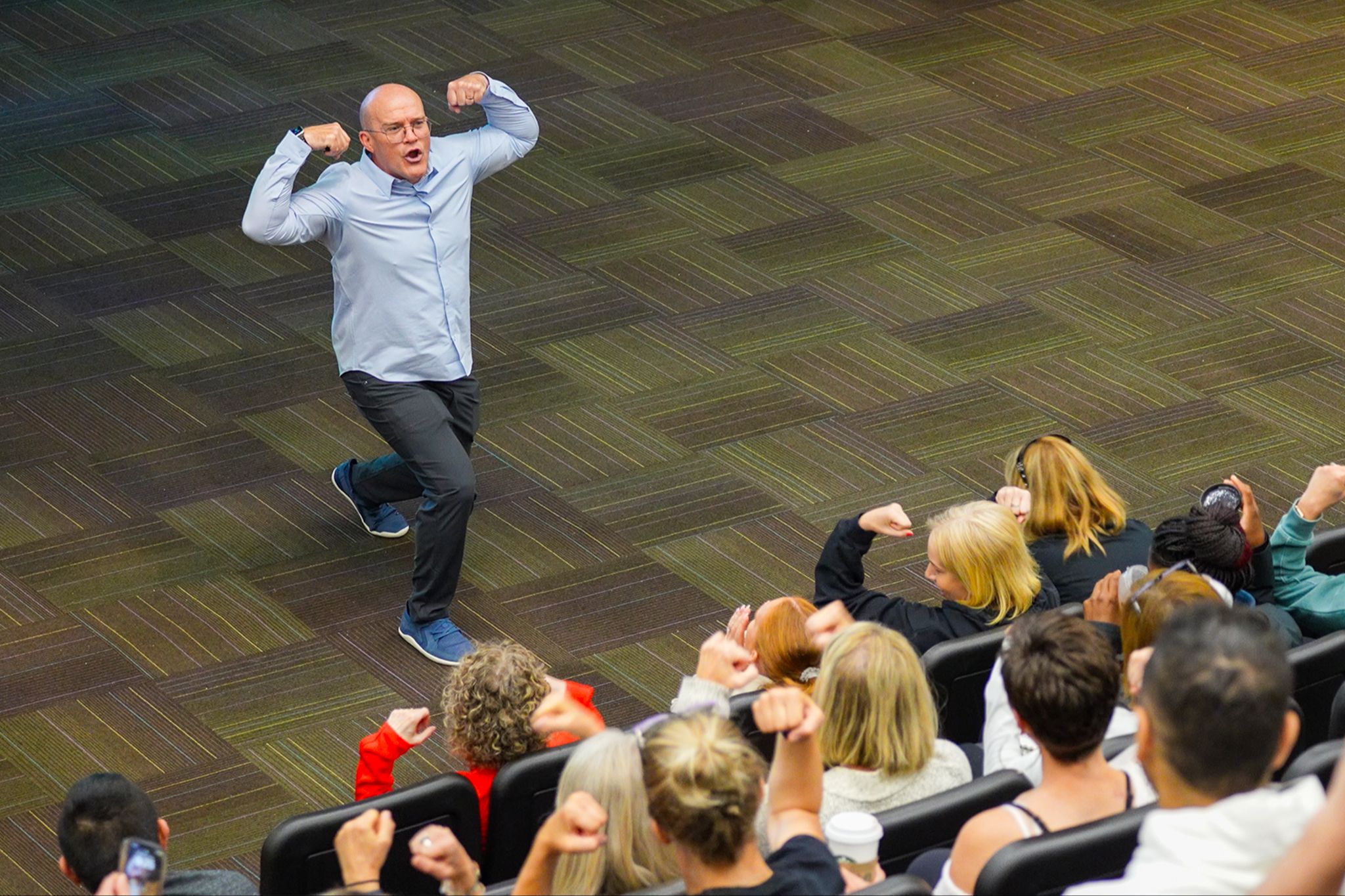
One workshop alone will not transform workplace culture. Lasting change happens when wellbeing becomes part of everyday business practices.
HR leaders play an important role in creating this environment.
Small, consistent actions often have the greatest impact. Encouraging employees to take regular movement breaks, recognizing achievements, supporting open communication, and creating psychologically safe workplaces all contribute to stronger employee wellbeing.
Managers also influence workplace culture through their own behavior. When leaders prioritize healthy work habits and openly support employee wellbeing, teams are far more likely to follow their example.
Communication remains another essential part of a healthy workplace.
Misunderstandings, unclear expectations, and lack of feedback can create unnecessary stress that affects the entire organization. Investing in workplace communication workshops helps employees build stronger relationships, improve teamwork, and resolve challenges more effectively.
Presentation skills also contribute to a healthier culture by giving employees the confidence to share ideas, contribute during meetings, and communicate clearly with colleagues and clients.
When employees feel comfortable speaking up, businesses benefit from better collaboration, greater innovation, and stronger trust across teams.
A positive workplace culture is never created by chance. It grows through consistent leadership, practical support, and genuine care for employee wellbeing.
Organizations that invest in their people often discover that healthier employees become more engaged employees, and engaged employees help create stronger businesses.
Three Small Changes You Can Make This Week
- Encourage five-minute movement breaks between long meetings.
- Start team meetings with a simple breathing exercise.
- Ask employees what wellbeing support would help them most.
Conclusion
Every HR leader wants to build a workplace where employees feel supported, motivated, and ready to do their best work. However, achieving that goal takes more than offering competitive salaries or occasional team events. It requires a genuine commitment to employee wellbeing.
When employees are constantly dealing with stress, fatigue, poor communication, or physical discomfort, their performance naturally declines. Over time, these challenges affect morale, productivity, retention, and workplace culture. The good news is that these issues can be addressed with the right approach.
Investing in workplace wellness programs is one of the most practical ways to support both employees and business growth. By giving people simple tools to manage stress, improve movement, communicate with confidence, and maintain better physical and mental health, organizations create an environment where individuals and teams can thrive.
The McDonald Method believes that workplace wellness should be practical, engaging, and easy to apply. Through workshops focused on Stress Management Solutions, breathing, workplace communication, presentation skills, hip mobility, back health, and customized wellness seminars, businesses can provide employees with skills that create lasting positive change.
For HR leaders, workplace wellness is not simply another initiative to manage. It is an opportunity to strengthen workplace culture, improve employee satisfaction, and help the entire organization succeed for years to come.
Frequently Asked Questions
What are workplace wellness programs?
Workplace wellness programs are structured initiatives that help employees improve their physical, mental, and emotional wellbeing. They often include stress management, movement, communication training, health education, and other practical strategies that support healthier and more productive workplaces.
Why should HR leaders invest in workplace wellness programs?
HR leaders play an important role in creating positive workplace cultures. Wellness programs can help reduce employee stress, improve morale, strengthen communication, increase productivity, and support employee retention, making them a valuable long-term investment.
What types of wellness workshops does the McDonald Method offer?
The McDonald Method offers practical workshops covering Stress Management Solutions, breathing techniques, workplace communication, presentation skills, hip mobility, back pain prevention, and customized workplace wellness seminars designed to meet the needs of different organizations.
How do workplace wellness programs improve employee productivity?
Employees who feel healthier and less stressed are often able to concentrate better, communicate more effectively, and maintain higher energy levels throughout the workday. This leads to stronger teamwork, better performance, and improved business outcomes.
How often should businesses provide workplace wellness training?
The greatest results usually come from making wellbeing an ongoing priority rather than offering a single event. Regular workshops and consistent support help employees develop healthy habits that continue benefiting both individuals and the organization.
Contact Now!
Don't miss a beat!
New moves, motivation, and classes delivered to your inbox.
We hate SPAM. We will never sell your information, for any reason.
